*Photography Tips for Capturing Tigers in Ranthambore*
By RANTHRA – Your Safari & Stay Experts in Ranthambore
Ranthambore isn’t just a national park; it’s a living canvas where light, jungle, and wildlife come together in dramatic harmony. For photographers—especially those dreaming of capturing the majestic Bengal tiger—Ranthambore offers endless opportunities. But tiger photography is an art, demanding patience, timing and the right technique.
As RANTHRA, we help travelers plan their Ranthambore safaris and book the best hotels, but we’ve also learned a thing or two from thousands of game drives. Here are our top expert-backed tips to help you return home with breathtaking tiger shots.
---
## *1. Choose the Right Safari Zone*
Tigers roam across all 10 safari zones, but Zones 2, 3, 4, and 6 are known for frequent sightings. Inform your operator—like *RANTHRA*—about your photography goals so we can help you secure the best possible zone when booking.
---
## *2. Book a Gypsy, Not a Canter*
For photographers, a *Gypsy (6-seater open jeep)* is ideal. It gives you:
* Better maneuverability
* Quicker access to sighting spots
* More stable shooting positions
RANTHRA can arrange priority Gypsy bookings for serious photographers.
---
## *3. Use the Right Equipment*
* *Camera:* DSLR or Mirrorless
* *Lens:* 70–200mm for close sightings, 100–400mm for distance
* *Memory:* At least 128GB
* *Extras:* Bean bag, polarizer filter & microfiber cloth
Tip: Avoid tripods—they’re difficult to use inside a safari vehicle.
---
## *4. Be Prepared for Low Light*
Tigers are most active during early morning and late evening safaris.
To capture them in dim light:
* Raise ISO to 800–2000
* Use aperture f/2.8–f/5.6
* Increase shutter speed (1/800 or faster for moving tigers)
---
## *5. Stay Silent and Patient*
The jungle gives signs—alarm calls from langurs and sambars often indicate tiger movement. Stay alert. A single moment of patience can reward you with the shot of a lifetime.
---
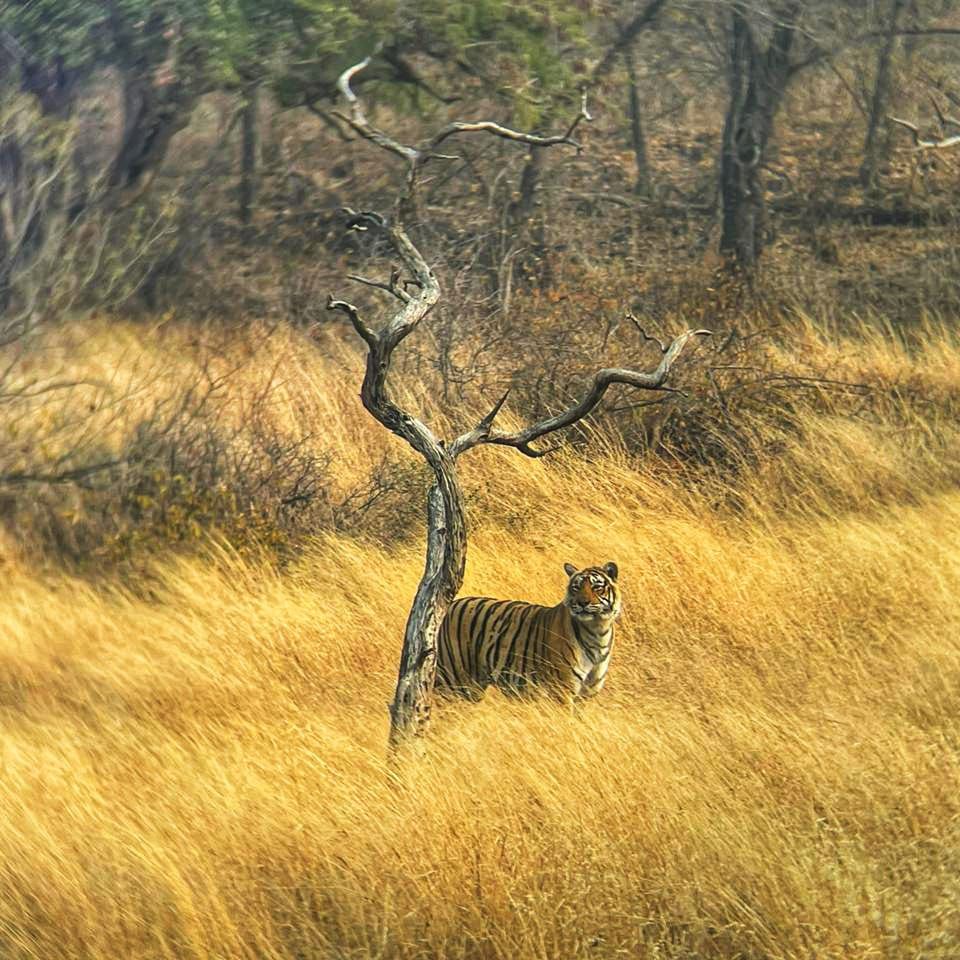
## *6. Composition Matters*
Frame the tiger within its environment.
Try:
* Rule of thirds
* Low-angle shots
* Wide-angle habitat images
* Eye-level portraits
Sometimes, the tiger isn’t the only subject—the forest adds emotion to your image.
---
## *7. Respect Wildlife*
Never lean out, feed animals or ask drivers to chase tigers. Ethical photography ensures both your safety and the wellbeing of the jungle.
---
*Plan Your Perfect Photography Safari with RANTHRA*
At *RANTHRA*, we make tiger photography trips seamless.
We offer:
* Guaranteed safari bookings
* Gypsy reservations
* Hotel stays tailored for photographers
* Early-morning pick and drop arrangements
Your dream Ranthambore shots are just one safari away.
*Contact RANTHRA today for hassle-free safari & hotel bookings!*
---
---